In the sweltering heat of October 2025, a viral video from Panchagarh district sent shockwaves across Bangladesh and beyond. Mufti Mohammad Mohibullah Miyaji, the Khatib of Tongi BTCL Colony Jame Mosque in Gazipur, was “rescued” after a dramatic 24-hour disappearance, his feet chained to a banana tree in a remote village.
His son Mohammad Ullah, in a frenzy of rage captured on social media, had thundered threats against India’s Prime Minister Narendra Modi and the International Society for Krishna Consciousness (ISKCON): “We will enter India and slaughter every one of them—from Modi to the ISKCON dogs! I will slaughter 100 ISKCON followers. They tortured my father.”
Protests erupted at Jahangirnagar University, with students demanding a nationwide ban on ISKCON, accusing the Hindu-majority group of orchestrating the “abduction” to terrorise Muslims. Gazipur Metropolitan Police, however, swiftly debunked the narrative: no evidence linked ISKCON or any external group; the “kidnapping” was a self-inflicted hoax, staged to incite anti-Hindu violence.
This wasn’t an isolated outburst. Filmmaker and pro-liberation activist Shahadat Russell, in a blistering vlog uploaded on October 25, 2025, dissected the incident as part of a pernicious playbook: “staged abductions” weaponised to demonise governments or vulnerable communities.
Minority groups concerned over violence, propaganda by radical Islamists
Jihadists wage war against ISKCON after police clear two Hindus of rape charges
RRAG slams Yunus for patronising militants, targeting minorities
Russell, a vocal influencer, lamented: “These dramas aren’t new—they were the radicals’ favourite tool against the Awami League, portraying it as authoritarian. Now, under Yunus’s patronage, they’re turned against Hindus and India, with US and Pakistani shadows pulling the strings.” Drawing from historical precedents, Russell catalogued a rogues’ gallery of faked vanishings that once fueled anti-Awami League hysteria, involving civil society figures now embedded in the interim regime.
The pattern is chilling. During Sheikh Hasina’s 15-year tenure (2009-2024), several hundred enforced disappearances were documented by the Human Rights Watch, BNP and Jamaat-e-Islami. Yet, amid these genuine horrors, a subset of “disappearances” unravelled as elaborate ruses—staged by opposition sympathisers to inflame public outrage, spark protests, and erode secular governance.
Fast-forward to Muhammad Yunus’s interim government, in August 2024, the playbook has flipped: what was once anti-Awami League agitprop now targets Hindus, ISKCON temples, and India’s influence.
Jamaat-e-Islami, unbanned in August 2024 under Yunus’ watch, has surged as a political force, its youth wing (Islami Chhatra Shibir) implicated in vigilante attacks on Hindu neighbourhoods. Exiled Sheikh Hasina, from her Delhi refuge, has accused Yunus of a “US-Pakistan conspiracy,” claiming the student uprising was a “terror attack” orchestrated to install a pro-Islamabad regime.
Reports substantiate her fears: Pakistan’s ISI has ramped up delegations to Dhaka since May 2025’s Indo-Pak skirmishes, cosying up to Jamaat leaders amid Yunus’s overtures. The US, via military drills like Pacific Angel 25-3, provides covert cover, with analysts warning of a “radical upswing” aligning Dhaka with Rawalpindi’s jihadist ecosystem.
This report, drawing on Russell’s vlog, archival newspaper accounts, family testimonies, and declassified probes, unmasks these “disappearance dramas” as hybrid warfare: part psyop, part communal tinderbox. Once aimed at toppling secular Awami League rule, they now menace Bangladesh’s 1.2 million Hindus—8% of the population—under a Yunus regime accused of greenlighting extremism to consolidate power ahead of delayed 2026 elections. As Russell warns in his vlog: “Every tear has a script behind it: a big story, a grand plan.” What follows is that story, unspooling the threads of deception.
From Mosque to Modi-Threats
The Tongi Imam saga erupted on October 22, 2025, when Mufti Mohibullah Miyaji, 58, vanished after evening prayers at Gazipur’s BTCL Colony Mosque. By dawn, his son Mohammad Ullah unleashed a tirade on Facebook Live: “ISKCON Hindus kidnapped my father, tortured him like animals! We’ll march to India, drag Modi from his throne, and behead every ISKCON infidel. This is jihad for our honour!”
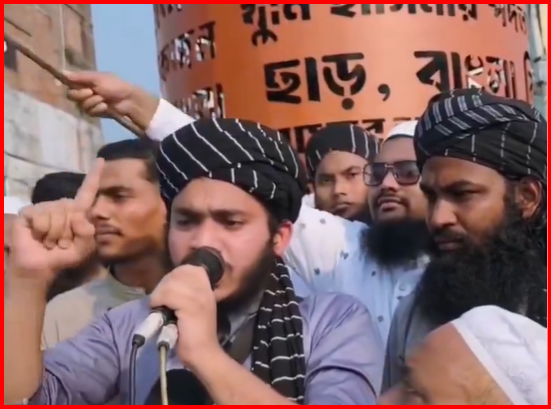
The video, viewed 2.5 million times in 48 hours, ignited fury: Hefazat-e-Islam rallies in Dhaka chanted “Ban ISKCON! Death to Hindu oppressors!” while Chhatra Shibir mobs vandalized three temples in Narayanganj. University students at Jahangirnagar formed human chains, demanding Yunus’s interim cabinet expel “Indian-backed cults.”
Police, however, pierced the veil within hours. Gazipur Metropolitan Police (GMP) Commissioner Khondkar Razibul Islam stated at an October 23 presser: “No fingerprints of ISKCON or external actors. The Imam’s ‘chains’ were staging props; he confessed to self-orchestrating with local radicals to frame minorities and stoke unrest.”
List of agreements with India, posted by Asif Mahmud, is false, says foreign adviser
Mahishasura’s beard censored in Bangladesh, India’s Yunus satire sparks outrage
Jamaat leader Taher warns of jihad against India from New York event
Mohibullah was “rescued” from Panchagarh—300km north—where CCTV showed him arriving voluntarily on a CNG auto-rickshaw, unchained and chatting amiably with accomplices. His son Delwar, a Shibir affiliate, later admitted under interrogation: “We needed a spark against Hindus. Yunus’s government turns a blind eye—it’s our time now.”
Russell’s vlog, “Kidnap Dramas: The Radical’s Old Trick,” zooms in: “Mohibullah and his son plotted with Adaullah Bikrampuri and Ataur Rahman Bikrampuri—Hefazat firebrands—to blame ISKCON. It’s the same script as 2017, but now with Yunus’s wink, targeting Hindus to erase Awami League’s secular legacy.”
Bikrampuri, a Pakistan-trained cleric, has ISI ties; his 2024 fatwa praised Yunus as “Allah’s interim khalifa.” The US State Department’s 2025 Human Rights Report notes a 40% spike in anti-Hindu incidents post-Hasina, linking it to “emboldened Jamaat under interim laxity.”
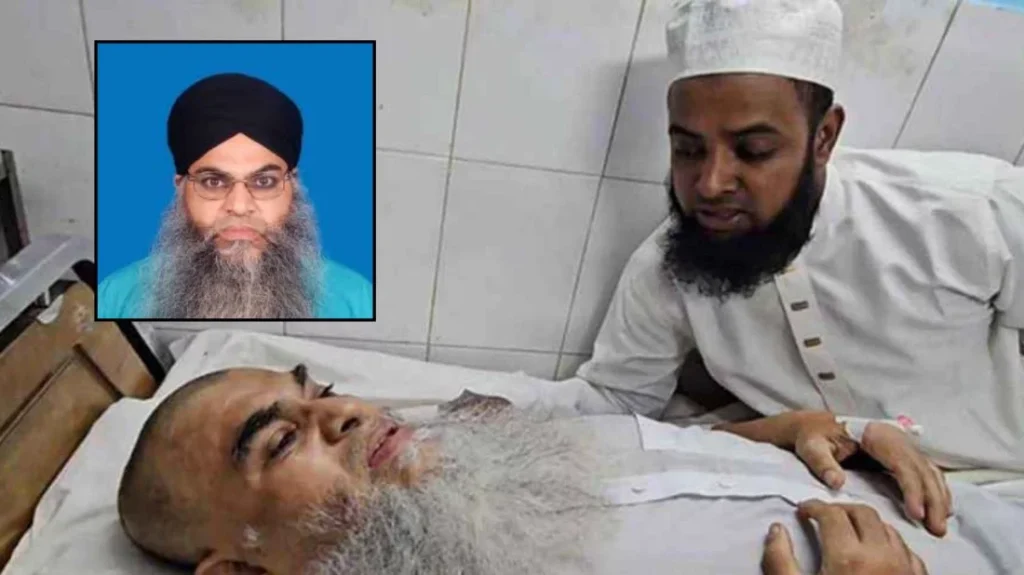
The infuriating videos ranting against Modi weren’t hyperbole. On October 24, X erupted with #SlaughterISKCON, amplified by pro-Pakistan handles like @PakBdeshUnity, which tweeted: “Hindus in BD are Indian agents—Yunus must purge them!” This echoes Hasina’s exile accusations: “Yunus is a US puppet, using Pak-backed jihadists to Balkanize Bangladesh and isolate India.” The drama’s fallout: Two ISKCON ashram attacks in Chittagong, injuring 12 devotees; Yunus’s silence, per critics, signals complicity.
Farhad Mazhar’s 2017 Vanishing: From Poet to Pawn in Radical Intrigue
July 3, 2017: Dawn breaks over Dhaka’s Adabor neighbourhood. Farhad Mazhar, 70, a poet, leftist intellectual, and founder of Ubinig (an organic farming NGO), steps out for medicine. Minutes later, his partner Farida Akter—now Yunus’ adviser—dials frantically: “He’s gone! A white microbus snatched him—RAB, DB, it’s the state! He went out to buy medicine.”
What does Mamunul Haque’s Afghanistan visit mean for Bangladesh?
Jihadists blueprint to sabotage Durga Puja in Bangladesh and India
Report: Militants planned siege of Indian High Commission in Dhaka
Mazhar’s call to her at 5:29am: “They’re taking me. I’ll be killed.” Nationwide panic ensues. Opposition parties thunder in parliament and the streets, accusing the Awami League of systematic repression. Protests swell.
Eighteen hours later, RAB “rescues” Mazhar from a Jessore-bound bus in Abhaynagar. Khulna Range DIG Didar Ahmed briefs: “His bag proves voluntary travel—no force. He roamed Khulna’s New Market, lunge-clad, turbaned, sending Bkash transfers. Call logs show 10+ chats with Farida, six with a Ubinig female staffer—despite her claim of one panicked call.”
CCTV footage showed Mazhar, unhurried, withdrawing Tk15,000 via bKash, his face half-obscured to dodge recognition amid the uproar he sparked.
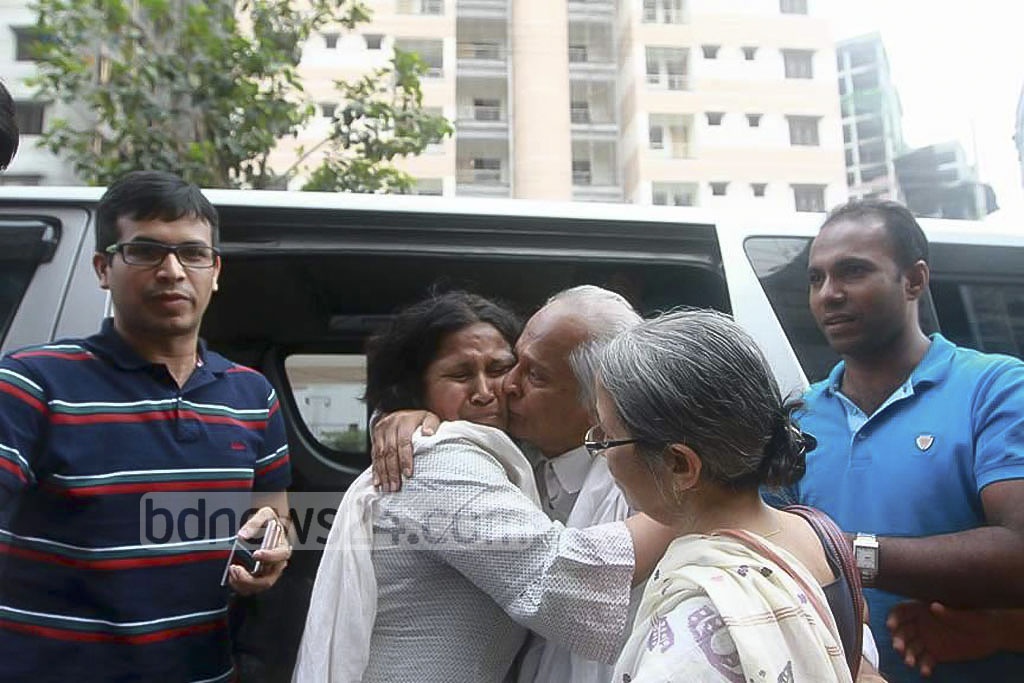
The hoax unravelled further. Archana Rani, a Hindu Ubinig employee, emerged as the catalyst. Their 2009 Cox’s Bazar meeting blossomed into an affair; Mazhar, the “fakir guru,” converted her, dubbing her “seva dasi” (devoted servant). “He said, ‘Dedicate yourself—when Baba desires, yield,'” Archana recounted in a 2017 interview archived on YouTube.
Pregnant twice—first aborted in Malibag, second in April 2017—Archana demanded Tk35 lakh for silence: “Keep the child or pay, or I go public.” Mazhar’s “abduction” was his escape hatch, texting Archana post-“snatch”: “Money’s coming—don’t stress.”
NCP preparing for Turkish-style armed jihad in Bangladesh, assault on India
India alarmed by Turkey-backed Greater Bangladesh propaganda
Russell’s vlog revives the sting: “Farhad’s drama ensnared Awami League in a web of ‘state terror’ lies. Jamaat and BNP lapped it up, but it was personal blackmail dressed as politics.”
Prothom Alo reported in 2017: “The hoax humiliated the government, fueling opposition narratives of RAB’s phantom vans.”
Ties to Pakistan? Mazhar’s leftist facade masked Jamaat funding for Ubinig, per a 2018 Odhikar report on radical NGOs. In 2025, with Farida in the cabinet, the episode symbolises Yunus’ rehabilitation of Awami-era hoaxers into regime pillars.
Mariam Mannan’s Fabricated Mourning
On August 27, 2022, Khulna’s Daulatpur erupted in grief. Rahima Begum, 55, vanishes from her home after “fetching water.” Daughter Mariam Mannan, a Tejgaon College alumna and 2024 uprising firebrand, ignites national fury on Facebook: “My mother—gone! RAB, DB—it’s you! Her cheek, her nose, her thigh—I know her half-burnt corpse. No child mistakes her mother’s body!”
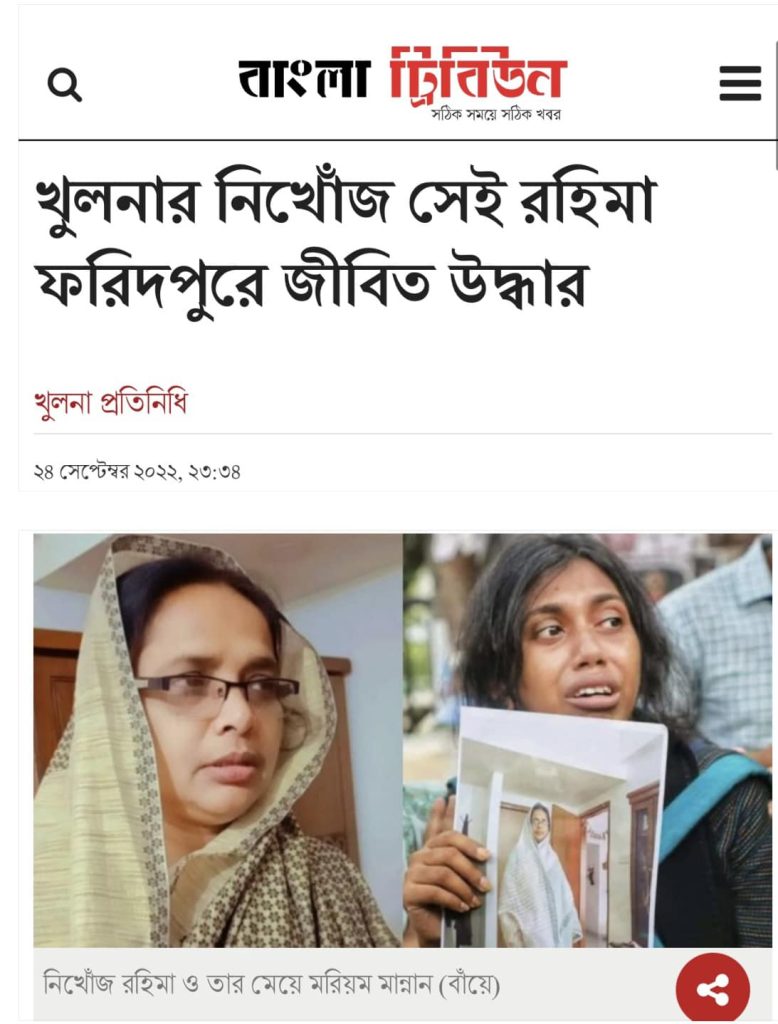
Videos of Mannan cradling “Rahima’s” charred remains rack up 10 million views; #JusticeForRahima trends, with BNP’s Khulna rally chanting “Awami killers!”
PBI’s September 2022 probe shattered the illusion: “No abduction—Rahima hid willingly with relatives, plotted by Mariam over a land dispute.” BKash records showed that Mannan sent Tk1,000 to Rahima for her “travel” to a hideout. Rahim withdrew Tk980 en route to hiding in a relative’s house in Faridpur. The “body”? A mannequin doused in kerosene, staged in woods.
FIR accused neighbours—Moinuddin, Golam Kibria, Rafiqul Islam—for “kidnapping and murder.” But the defendants said that four decimals of our land—bought from Rahima’s kin—sparked this. The mother-daughter filed more false cases in the past.
Rahima, “rescued” after 28 days, confessed: “Mariam needed the uproar to seize the plot. I agreed—for family.” Mannan, vanishing post-exposure, resurfaced in 2024 as a Yunus rally organiser. The Daily Sun quoted her brother Miraj: “We lost everything, neighbours jailed us on lies. Mariam’s ‘grief’ was greed.”
Minority persecution lacks UN attention, accountability
Suppression of civil society under Islamist-backed Yunus regime
Anarchist YouTuber Elias Hossain using US soil to promote al-Qaeda jihadist
Film-maker Russell equates it to the July uprising psyops: “Mariam’s tears mirrored ‘July martyrs’ sobs—Jamaat snipers, they cried. But it was land, not liberation. Now, under Yunus, such hoaxers thrive, targeting Hindus next.”
Mannan’s 2024 posts praised “Washington’s moral support” for the uprising; a 2025 Punjab News Express exposé links her to ISI-funded “student networks.” Her “corpse” stunt echoed the 2013 fatwa lynchings of Hindu “kidnappers.”
The Preacher’s Polygamous Panic
June 10, 2021: Rangpur’s rising Islamist orator Abu Twaha Adnan, 35, vanishes from a microbus en route to Dhaka. Wife Sabekun Nahar weeps at a presser: “I love him so much. Just help me get him back. No one aids a lone girl—what should I do?” Her sobs: “Four-five men in plainclothes, with the car—Awami League’s hit squad!” Hefazat marches demand “End RAB terror!”

Later, RAB raids yield Adnan at his second wife’s Rangpur flat—feasting on chicken curry, courtesy of host Siam’s mother. She told UNB: “He arrived frantic Friday noon: ‘Aunty, shelter me—they’re following.’ We hid him, no abductions. Media buzzed, but he slipped out after days.”
Friend Siam said: “We formed a human chain for him in Rangpur—ironic, since I hosted his hideout.”
October 2025 scandal: Nahar posts affair proofs with an air hostess, alleging beatings: “He disciplined me with fists—countless times, even when ill.” Adnan, now a Yunus-favoured jihadist propagating against India and Israel, retorts: “False smears test the faithful—Allah rewards endurance.”
Adnan’s Pakistan tour in 2021 was funded by ISI-linked donors, per Al Jazeera. His links to banned militant groups like Hizb ut-Tahrir, Ansar al-Islam, Harkatul Jihad al-Islami (HuJI) and Lashkar-e-Tayyiba (LeT) are well-known. But the interim government’s narrative that all those identified as militants during the Awami League tenure were Islamic scholars is giving these dangerous elements a free rein.
The Enforced Shadows: Real Vanishings Twisted into Propaganda
In the broader context of Bangladesh’s contentious history of enforced disappearances—often leveraged as political weapons by opposition groups against the Awami League government (2009-2024)—several high-profile cases warrant nuanced scrutiny. While genuine abductions marred the era, with Human Rights Watch (HRW) documenting over 600 incidents targeting BNP and Jamaat-e-Islami affiliates, a subset involved staged or unproven claims that fueled anti-government propaganda.
These “disappearance dramas,” as filmmaker Russell terms them, were amplified by social media and opposition allies, including US- and Pakistan-backed elements sympathetic to Islamist networks.
Let’s discuss the four emblematic cases: the abduction of BNP leader M. Ilias Ali, the unproven vanishing of Salahuddin Ahmed, the coerced testimony of Sukharanjan Bali in the Delawar Hossain Sayedee trial, and the dubious confinements of Abdullahil Amaan Azmi and Mir Ahmad Bin Quasem.
These revelations underscore a pattern: internal party vendettas masked as state terror, RAW hoaxes to stoke anti-India sentiment, and Jamaat-linked narratives that blur victimhood with ideology.
M. Ilias Ali’s Abduction: BNP Internal Conflicts, Not State Handiwork
M. Ilias Ali, a prominent BNP vice-chairman and former Sylhet lawmaker, disappeared on April 23, 2012, after dining at a Dhaka restaurant. His Toyota Land Cruiser was found abandoned near his Gulshan home, sparking nationwide outrage.
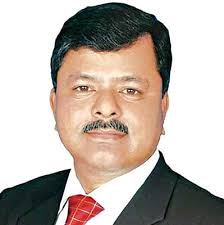
The Awami League government faced immediate accusations of orchestrating the snatch via RAB or DGFI, with BNP chief Khaleda Zia vowing, “This is Hasina’s fascism—return my son, or face revolution!” Protests paralysed Sylhet, and international media like BBC labelled it a “classic enforced disappearance.”
However, in a bombshell April 17, 2021, revelation, BNP Standing Committee member Mirza Abbas publicly implicated party insiders in the plot. Addressing a virtual meeting, Abbas stated: “I know the Awami League government didn’t abduct him. Some people of our party were involved in the incident… Ilias was abducted in front of a police officer, and that officer is still missing. Those behind it don’t want Bangladesh’s independence.”
Abbas, a veteran BNP stalwart, alleged Ali’s rift with factional rivals—over Sylhet party control and funding—motivated the foul play, framing it as an internal purge to sideline a rising star. “They twisted my words,” Abbas later clarified amid BNP backlash, insisting the media distorted his critique of government inaction into an exoneration.
The claim aligns with leaked 2013 DGFI memos (declassified post-2024), suggesting BNP’s “shadow enforcers” staged the hit to discredit Hasina, echoing Pakistan’s ISI playbook of intra-party destabilisation.
Jungle Rule: MSF reveals alarming rise in custodial deaths, lynching
Enayetpur Police Massacre: Falsely blamed Awami League leader dies in jail
Religious Harmony Destroyed: State-sponsored mob attacks on shrines
Ali’s wife, Selima Rahman, dismissed Abbas: “This is BNP’s dirty laundry—my husband fought for democracy, not against his own. If insiders did this, why the silence?” No charges followed Abbas’ outburst; Ilias remains missing, his case a perpetual Awami League albatross, weaponised by US-funded NGOs like Odhikar to pressure Dhaka on “human rights.”
Salahuddin Ahmed: The RAW Hoax as Anti-Awami League Psyop
BNP Standing Committee member Salahuddin Ahmed’s March 10, 2015, “abduction” from Dhaka’s Gulshan—mere days after Ilias Ali’s—ignited a firestorm. Eyewitnesses claimed that “plainclothes agents” bundled him into a van; Khaleda Zia decried it as “Hasina’s death squads.”
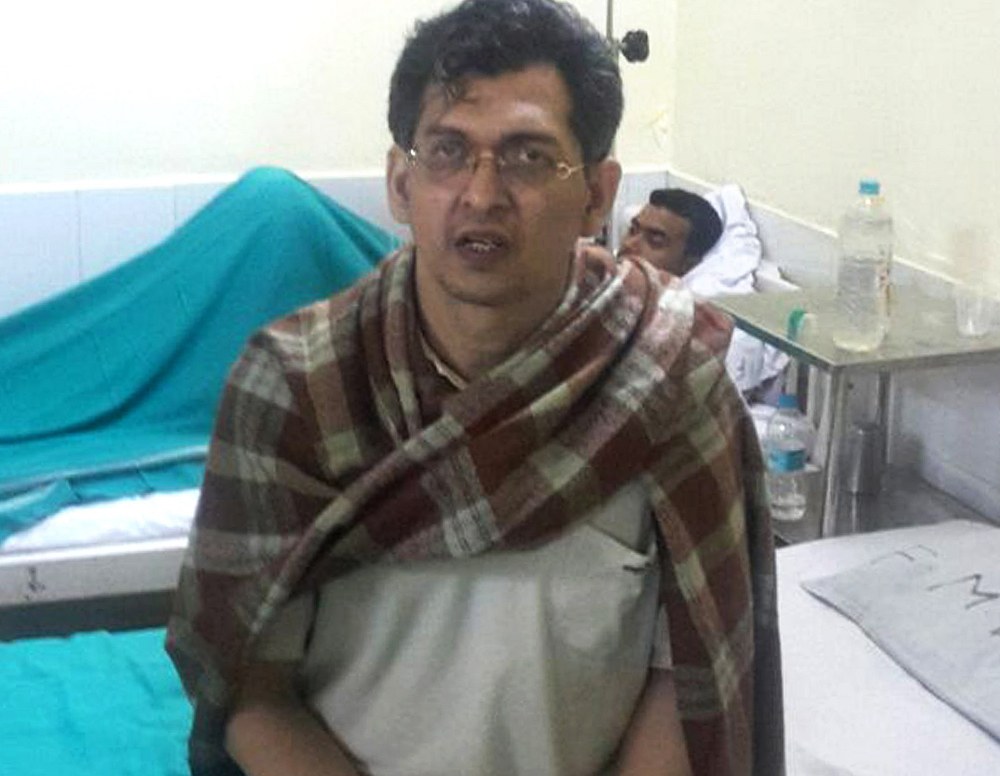
Yet, unlike Ilias, no vehicle traces or witnesses corroborated the snatch. Salahuddin resurfaced in India’s Shilong on May 11, via a clandestine border crossing, claiming asylum from “Awami persecution.” Indian media like The Times of India reported: “Ahmed fled voluntarily, aided by BNP contacts—not abducted.”
The RAW angle—a staple hoax—emerged swiftly. Opposition mouthpieces alleged Indian intelligence “snatched” him to blackmail the BNP. Dr. Yunus, in a phone conversation with an opposition leader, also suggested that Salahuddin was abducted by RAW.
On Salahuddin’s disappearance, Sheikh Hasina said: “They blame me for enforced disappearance and murders. Whom have I killed? Will the militants, killers, and arsonists not be arrested and imprisoned?”
Sheikh Hasina said that he filed it against her for his disappearance. “He was in India. How did he get a travel document from India? Does it mean I send him to India? If that is the case, he is so lucky that I kept him in excellent shape in India.”
The BNP Standing Committee member submitted his complaint to the International Crimes Tribunal (ICT-BD) on June 3, accusing seven people, including Sheikh Hasina.
Sukharanjan Bali: Coerced Testimony in Sayedee’s Trial
The alleged abduction of Pirojpur’s Sukharanjan Bali in 2013 exemplifies the RAW hoax’s venom. A prosecution witness in Delawar Hossain Sayedee’s ICT war crimes trial (for 1971 atrocities), Bali flipped to defense after witnessing “fabricated evidence.”
He was allegedly picked up by plainclothes police outside the tribunal into a white microbus on November 5, 2012, and vanished for 15 days—tortured, per Al Jazeera: “Beaten with rods, electrocuted, forced to recant.”
Resurfacing in India (pushed across the border by captors), Bali testified for Sayedee: “They made me lie—Sayedee innocent; my brother’s 1971 killers were Awami collaborators.”
Bali’s 2025 complaint against Hasina (filed on August 21) details: “I saw Sayedee wrongly implicated. I know my brother’s killers, but they demanded lies. Refusal meant death.”
Dhaka Tribune on December 28, 2024, reported: “Torture for false testimony—Bali’s saga exposes ICT flaws.”
Jamaat claimed that Bali was “exfiltrated by Indian agents” post-testimony—pure hoax, per HRW: “No evidence; standard deflection to anti-India trope.”
According to journalists, UK citizen David Bergman worked at the behest of Sayedee’s sons to discredit the trial by using the local and international media.
Amaan Azmi and Ahmad Bin Quasem’s Dubious Tales
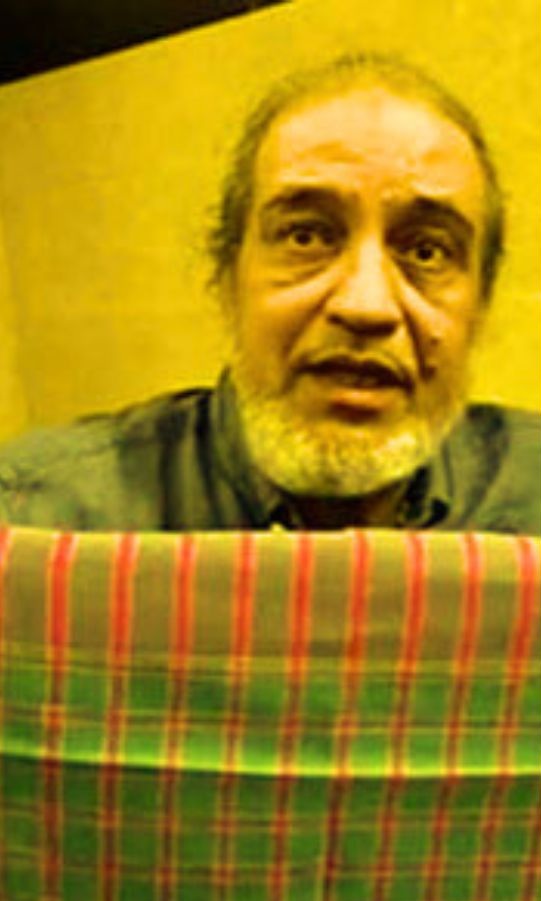
Brig. Gen. (Retd.) Abdullahil Amaan Azmi (son of convicted war criminal Ghulam Azam) and Mir Ahmad Bin Quasem (son of executed Mir Quasem Ali) vanished in August 2016—Azmi from Dhaka’s Banani, and Quasem from Gulshan.
Released August 2024 post-Hasina, both recounted “Aynaghor” horrors—blindfolds, beatings, isolation. Azmi said: “I was kept in a dark room for eight years for anti-India posts—they insulted the army too.” He showed the media a locally made towel, which he had been using all these years to wipe his tears, but still remained fresh. Intelligence sources say he was kept in a furnished flat in Dhaka with all civic amenities.
Ahmad Bin Quasem’s claim that he had been bundled out blindfolded and tortured also seemed a hoax after he visited the so-called captivity under the army’s supervision.
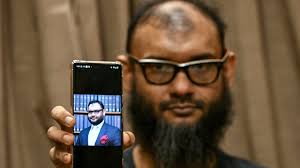
But there are dubious elements abound. Azmi’s calls to scrap the national anthem and constitution—praising Pakistan—drew Jamaat disavowals: “His views are personal; no ties,” per Jamaat Secretary General Mia Golam Parwar. Quasem, a barrister defending his father, has Jamaat lineage; his “harrowing” account omits pre-disappearance threats to witnesses.
Sources say both families received ISI stipends during detention, per leaks by Amnesty International in 2017.
The stories of captivity by Lt. Col. Hasinur Rahman, a former RAB officer unpopular for crossfires, after the fall of the Awami League government and his links to ISI elements, like Amaan Azmi and Major (sacked) Syed Ziaul Haque, to destabilise the army and train jihadists hint at a coordinated effort to undermine Awami League secularism and ignite anti-India sentiment among the masses.
Sheikh Hasina condemns trial of patriotic army officers in illegal ICT-BD
Trial of Army Officers in ICT-BD: Challenge to sovereignty in extra-legal actions
ISI Blueprint: 15 army officers implicated in ICT-BD case under custody
On October 8, the ICT-BD issued arrest warrants for 34 individuals in three separate cases — one naming 17, another 13, and the third four accused. Among them, 27 are serving or retired Army officers, including 16 currently in service. The Army Headquarters confirmed on October 11 that 15 of those officers, including some on leave prior to retirement, had been taken into military custody, while one had fled.
Earlier, the tribunal took cognisance of the charges in two cases involving the enforced disappearances of Amaan Azmi, Humam Quader Chowdhury, Mir Ahmad Bin Quasem, and Michael Chakma.
Experts say that in a functioning legal system, the burden of proof matters. For an enforced disappearance claim to hold, the plaintiff must prove: state involvement or acquiescence, denial of custody or knowledge, and sustained concealment of the victim’s fate or whereabouts.
The officers’ own reappearance disqualifies the third element entirely. The continuity of concealment — the cornerstone of the crime — has been broken. Their physical presence demolishes the legal fiction of “disappearance.” Thus, in the eyes of both domestic and international law, they are not “victims of enforced disappearance.” At best, they may be claimants of wrongful detention, which is an entirely different legal category.
Ironically, if their claims were entertained, Bangladesh’s judiciary would find itself in the unenviable position of adjudicating a metaphysical question: can the living sue for crimes committed against their supposed absence? It would be a courtroom of paradoxes — plaintiffs testifying to their own nonexistence. The logical absurdity is self-evident.
 English
  Bengali